Four tastings in four parts of the city
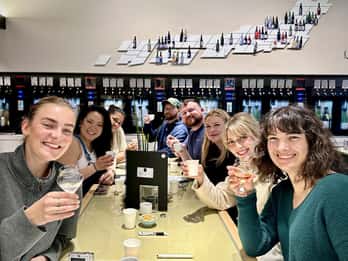
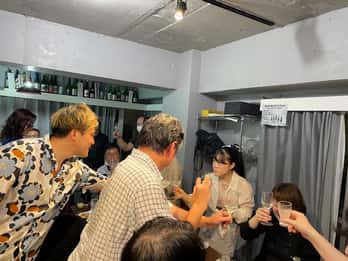
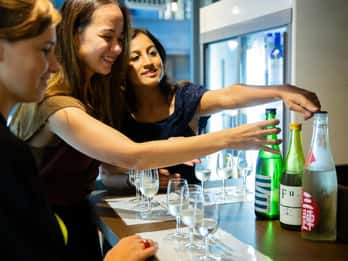
In Shibuya, Japan Wonder Travel takes up to six guests to a standing bar on the second floor above Whiskey Bank in Udagawacho. A guide pours three contrasting styles, from dry to sweet and fruity, and then the bar opens 45 minutes of free-flow from more than 50 regional labels. Snacks come only with the pairing option and cannot be chosen, which matters with an allergy or a vegetarian diet. There is no lift, and the tasting ends on time even if you come late.
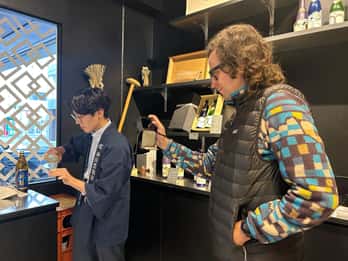
In Kanda, JLB TOURS meets at the NewDays shop by the south ticket gate of Kanda Station, walks the shopping street on the west side for about twenty minutes and then spends around an hour and a half at Toshimaya, a sake shop founded here in 1596. You taste about six of the sakes it sells, in small pours that change with the season, and hear the history of the shop. The guide waits five minutes at the start; after that the group leaves.
In Tsukiji, Sake Lovers Inc runs a private salon on the fifth floor of a white building with a sushi restaurant on the ground floor. The tasting is unlimited from a cellar of 50 to 60 sakes from across Japan, some warmed and some cold, with cheese and rice crackers on the side. The listing gives the length as an hour and a half but speaks of two hours of tastings, so allow for the longer one.
In Asakusa, Toyosu Shachu runs its tasting at WASAKE Sake Experience, Asakusa 1-11-1, a few minutes from Asakusa Station, for up to ten guests. You choose up to ten tastings from more than 50 labels, and the 105 minutes include a vertical tasting of three Dassai sakes. Bottles you buy and extra tastings are paid on top. The room is wheelchair accessible according to the listing.
Measured pours or free-flow
The tastings split along one line. In Kanda you get about six small pours of the sakes the shop sells, and the guide adds bars and izakaya nearby for the evening; buying a bottle is optional. In Asakusa you choose up to ten tastings yourself from the shelf of more than 50 labels. In Shibuya the guided part covers three styles, followed by free-flow from the shelf. In Tsukiji the whole session is unlimited, with snacks, and one guest describes a session with five visitors. A guest on the Shibuya tasting bought two bottles afterwards, and the Kanda shop sells what you taste, so keep some room in your bag.
A wagyu dinner with a sake for every course
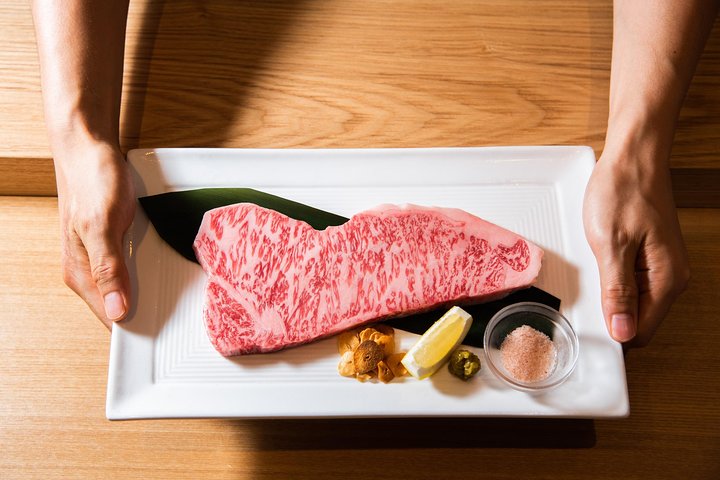
The pairing dinner of Ninja Food Tours starts at 18:00 at a restaurant on the second floor of a building in Hyakunincho, Shinjuku, and ends there three hours later, with up to eight guests. The sample menu runs from grilled wagyu tongue with a sake cocktail and wagyu tataki with warm sake to a sirloin steak with nigori and a wagyu hotpot with unpasteurised sake, plus a salad and dessert. Beer and other drinks outside the pairing cost extra, and dietary requests need to arrive at least a week ahead.
The cask at the sushi class
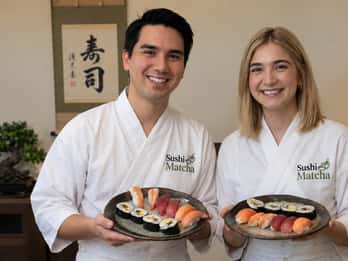
Sushi Matcha holds its class under the railway tracks, a minute from Asakusa Station. It begins with a kagami biraki, the opening of a sake cask that in Japan marks parties and ceremonies, and the sake keeps coming while you shape eight to ten pieces of nigiri and rolls and whisk your own matcha. Guests who do not drink get water or green tea instead. More sushi classes are compared on our sushi making class page.
Sake by the glass in an izakaya
On the Ninja Food Tours izakaya walk you pick three drinks across the evening, and sake is one of the choices next to beer and soft drinks; for an extra charge the operator adds a sake tasting before the tour. On the Shinjuku crawl of Travel Japan Together, guests describe one of the stops as a sake tasting, paid on the spot because the ticket covers only the guide. Both are compared on our bar hopping page.
Words you will see on a sake list
| Word on the menu | What it means |
|---|
| Nihonshu |
The Japanese word for what English calls sake; “sake” alone can mean any alcoholic drink |
| Junmai |
Sake made only from rice, water and koji |
| Nigori |
Cloudy sake, coarsely strained so that rice sediment stays in; shaken before pouring |
| Namazake |
Sake that has not been pasteurised; kept cold and drunk fresh |
| Kanzake, atsukan |
Warmed sake; atsukan is served hot |
| Kagami biraki |
Opening a sake cask at a party or ceremony |
| Ochoko, tokkuri, masu |
Small sake cup, slender sake flask, square wooden measuring box used as a cup |
Sake and the age of 20
Japan’s legal drinking age is 20. The Shibuya tasting takes guests over 20 only, and the Kanda tasting asks for a passport or ID at the start. The Asakusa tasting room lists itself as unsuitable for anyone under 19, one year below the legal age, so plan on 20 there too. The Tsukiji salon lets children come along without alcohol if you bring drinks for them. The pairing dinner, the izakaya walk and the sushi class with sake do not state their own age rule, and Sushi Matcha says children can join the class, so ask how they handle the sake before you book.